Cultural track
The cultural track supports stories for their artistic, social and national significance. Its value extends beyond financial returns, and that support remains essential.
WASCIP is a proposed WA pilot offering a 40% rebate on qualifying private capital, designed to restore investor confidence in Australian film and television.
Private investment brings commercial discipline: a focus on audiences, returns and businesses built to last. WASCIP aims to put that ambition back at the heart of Australian screen production, building a profitable, sustainable industry that owns its stories and retains the value they create.
Private capital is certified and committed through a WA-domiciled SPV.
The project is completed, with eligible spend made in Western Australia.
An independent audit verifies capital, spend and eligibility.
Public payment comes last.
Australia needs a screen industry that can attract investment, retain ownership and generate lasting revenue. That requires confidence from private capital and a credible commercial reason to invest.
Studios, infrastructure and production incentives provide part of the foundation. Sustained growth also needs Australian-owned projects capable of reaching audiences, returning capital and financing the next production. Without that, production activity alone will not build enduring screen businesses.
Annual Australian share of domestic box office, 1977–2025, with a trailing three-year average. Select any year for its value.
Source: Screen Australia, Domestic Box Office and Share Since 1977 (opens in a new tab).
A sustainable screen ecosystem needs both cultural investment and commercially driven production.
The cultural track supports stories for their artistic, social and national significance. Its value extends beyond financial returns, and that support remains essential.
The commercial track brings private investors into Australian-owned film and television, with a clear focus on audiences, budgets, rights and revenue. WASCIP is designed to strengthen this track, working alongside existing funding and offsets.
WASCIP’s proposed 40% rebate on qualifying private capital would reduce investor exposure while preserving genuine commercial risk. Payment follows completion and independent audit, linking public support to delivered outcomes.
For Western Australia, new production infrastructure makes this an immediate opportunity. Pairing that capacity with private investment and locally retained intellectual property can help build a reliable pipeline of Australian-owned productions.
The ambition is an industry where successful projects generate returns, those returns attract further investment, and Australian businesses retain the value of the stories they create.
Private investment once played a defining role in financing Australian screen production. Today, it represents only a small proportion of feature-film finance and less than 1% of television and VOD finance.
This is not a shortage of available capital. It is a confidence and structure challenge. Investors need transparent eligibility, credible market validation, disciplined governance and a clear understanding of their exposure.
WASCIP creates that missing commercial architecture. Its capped, post-audit rebate rewards verified private investment after production is completed, while working alongside existing offsets, market finance and public support.
The opportunity is to bring sophisticated capital back into the sector, finance projects at greater scale, retain more Australian IP and build sustainable production companies capable of generating long-term value.
A feature film combines the Producer Offset, distributor advances and presales, public support and private investment. WASCIP is designed to encourage a larger, more meaningful private-capital contribution: certified private capital must represent at least 30% of the production budget, with a proposed 40% rebate on that eligible capital.
Investors commit first and take production risk. The rebate is paid only after completion and independent audit, reducing their remaining exposure rather than funding production upfront. It can sit alongside the Producer Offset on eligible QAPE where both sets of rules are met. The comparison below illustrates how this could shift a $20m film towards a stronger private-capital base.
Illustrative only. The two stacks use different assumptions and are not a same-offset-rate comparison.
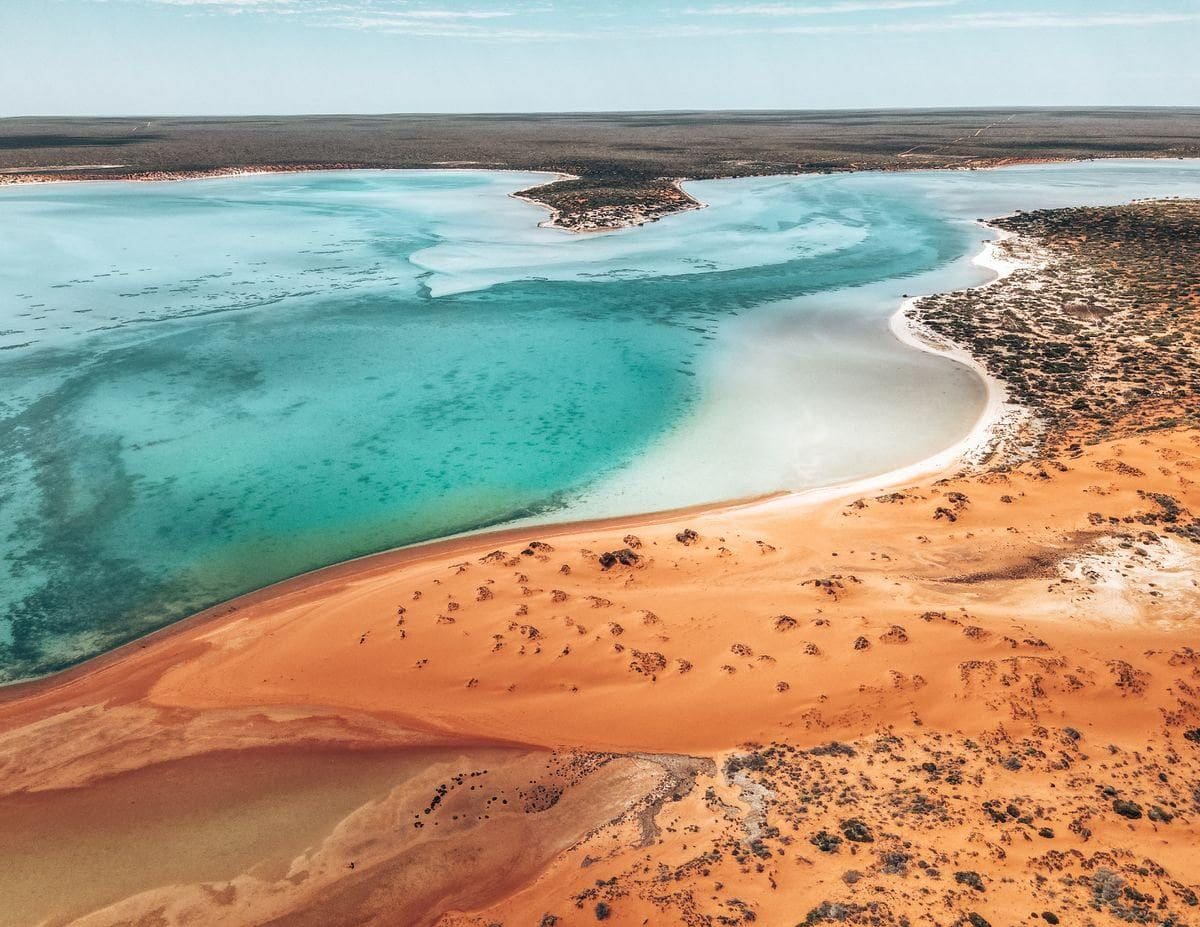
WA brings together a concentration of private capital, brand-new production infrastructure, exceptional locations and world-class talent. It’s an ideal testing ground for a different approach to screen investment, with the resources to put it into practice and room to grow.
Testing this pilot in WA, given we have only 3% of the national screen spend, is a great opportunity to test the framework for potential federal viability and generate a more significant local screen spend to help grow our capabilities.
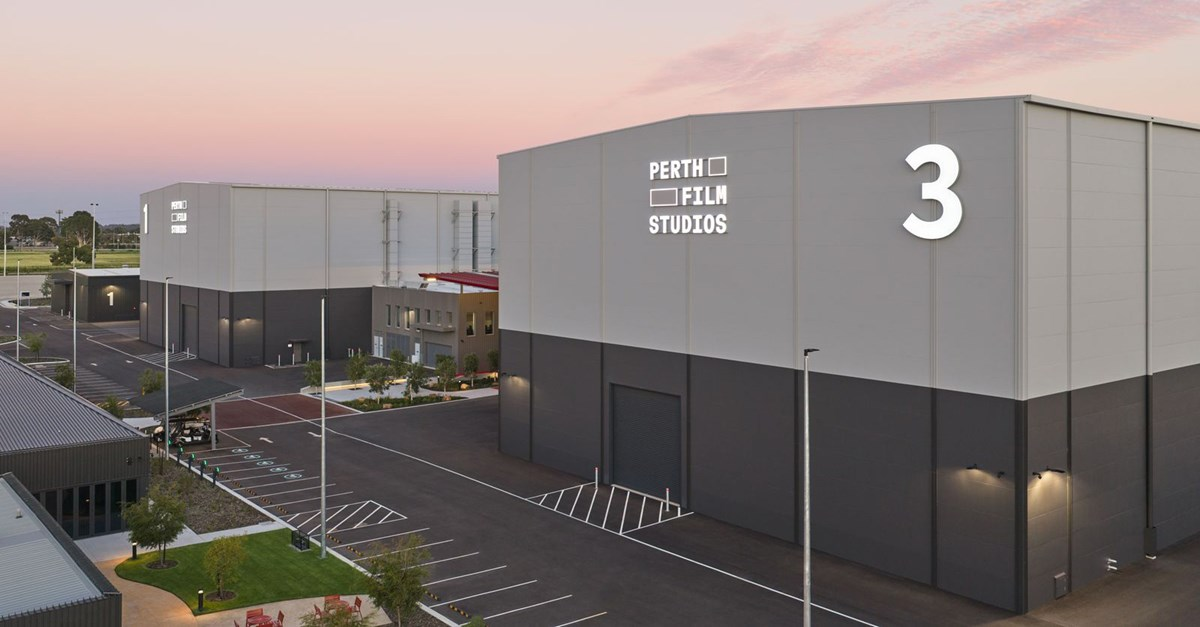
The global appetite for screen content has created an enormous market, and production jurisdictions are competing to capture its value. Incentives are central to that competition, helping determine where capital flows, productions shoot and skilled industries grow.
Australia needs a credible commercial response. Talent, locations and infrastructure need investment settings that give private capital a reason to participate. WASCIP proposes that pathway for Australian-owned production, with the ambition to retain intellectual property, build lasting businesses and earn revenue from global audiences.
The strongest screen projects create value well beyond their initial production spend. They generate rights, franchises, companies, exports, tourism, employment and revenue streams that can endure for decades.
Australia has already demonstrated what is possible when creative talent, commercial ambition and long-term stewardship align. These case studies show how locally owned IP, and meaningful local participation in major global properties, can transform individual productions into lasting economic and cultural assets.
WASCIP is designed to help more of that value originate, grow and remain in Western Australia.
First two films · worldwide box office, approximate AUD.
Major films including Mad Max, Babe and Happy Feet · worldwide box office, approximate AUD.
External annual retail and licensing estimate, approximate AUD. Not producer revenue.
Aggregate box-office footprint, approximate AUD. Not personal revenue.
Worldwide box office, approximate AUD.
Original trilogy worldwide box office, approximate AUD.
WASCIP support letters indicate interest from organisations and investors representing more than A$7bn in private-capital scale. That interest signals an appetite to consider Australian screen production when the commercial proposition makes sense.
Private capital needs a credible pathway: clear investment terms, accountable budgets, access to revenue and a realistic prospect of return. WASCIP is designed to help establish those conditions, giving investors a reason to back Australian projects alongside existing support.
The ambition is to turn that interest into repeat investment. Australian-owned stories reaching global audiences. Successful productions building stronger businesses. Revenue helping finance the next project, with ownership and long-term value retained here.
A$850m+
Worldwide box office from the first two films, approximate AUD. Gross ticket sales, not net profit.
The research records US$328.2m in worldwide box office for Crocodile Dundee and US$239m for its sequel: US$567.2m combined. The A$850m+ headline is an indicative AUD treatment of that first-two-film total, not a production budget or a measure of cash paid to the filmmakers. Later films, home entertainment and licensing are outside this headline.
10BA-era private capital helped enable globally scalable Australian cultural IP. Australian-led creators, production and ownership participation provided a basis for sequel value and an enduring Australian screen identity. The long-running “Dundee effect” also created destination-brand value for Australia, beyond the cinema release.
Australian-led ownership and sequel participation matter because international distribution also takes a share of worldwide receipts. Global box office is not all Australian revenue, and tourism effects cannot be added to film receipts as though they were the same measure. The lesson is that private-capital confidence can help Australian-originated stories scale while ownership and distribution contracts determine how much long-tail value stays here.
The supplied research summary gives the two US-dollar box-office figures above. The AUD headline is approximate, not inflation-adjusted, and is not an independently verified conversion or a matched return-on-investment calculation.
Source basis: user-supplied WASCIP research summary; Australian Film Incentive 10BA Overview; Australian Screen Creatives Revenue Graph. Underlying citations and currency basis pending verification.
A$2.3bn+
Aggregate worldwide theatrical gross across Mad Max, Babe, Happy Feet and other major Miller works, approximate AUD.
George Miller’s output is an enterprise story extending over more than four decades, not just the receipts of the first Mad Max. The supplied research identifies a conservative worldwide theatrical baseline above US$1.5bn across major works, supporting the indicative A$2.3bn+ headline before inflation and long-tail home-media or licensing revenue.
Private capital helped establish an Australian creative enterprise whose capability compounded across Mad Max, Babe and Happy Feet. Australian creators, production companies and skilled teams could build repeat relationships and carry expertise into subsequent projects. Sequels, home entertainment, games and licensing extend the commercial life of the work beyond its original release.
An Australian creative base does not mean every distribution right or dollar of worldwide gross is Australian-owned. International financiers, studios and distributors participate in different projects, and the supplied material does not establish a single local-retention percentage. WASCIP’s lesson is to support repeatable local enterprises and negotiate continuing IP and revenue participation, so that lasting capability and value can compound alongside production activity.
The headline aggregates theatrical gross associated with major Miller works; it is not personal earnings, producer receipts or net profit. It excludes unquantified downstream value and should not be read as evidence that every work used 10BA. The approximate AUD treatment and film-by-film baseline require confirmation against the underlying research citations.
Source basis: user-supplied WASCIP research summary; Australian Screen Creatives Revenue Graph; Australian Screen Profitability Asset Analysis; Australian Film Incentive 10BA Overview. Underlying aggregation and currency basis pending verification.
A$2.5bn+
Estimated annual global retail and licensing value (approx. AUD). An external estimate, not disclosed producer revenue.
Bluey illustrates how distinctive Australian-originated IP can become a global audience and licensing asset. The headline refers to an external estimate of annual worldwide retail and licensing value, not a disclosed figure for the producer’s income, an audited company valuation or cumulative box-office revenue.
Australian creative authorship, production skills and the continuing work of local teams are part of the value generated by an Australian-originated property. A recurring screen series can sustain production capability and audience relationships while licensed products and international distribution extend its reach.
Australian origin and internationally administered rights are different things. Bluey’s international licensing and distribution arrangements mean worldwide consumer spending cannot be assumed to flow to Australian creators or production companies. No local-retention percentage is established here. The WASCIP lesson is to pair capital access with careful IP retention, negotiated participation and transparent international rights arrangements.
The supplied research gives an estimated annual global retail/licensing value of A$2.5bn+. This is a third-party estimate in approximate AUD, not disclosed producer revenue. Its annual time window differs from the cumulative theatrical totals used for other case studies; the underlying estimator, date and methodology remain to be verified.
Source basis: user-supplied WASCIP research summary; Australian Screen Profitability Asset Analysis; WASCIP Website Copy, Structure & Interactive Evidence Plan. External estimate and rights-source citations pending verification.
A$10bn+
Aggregate box-office footprint across directing, producing and story credits, approximate AUD. Associated gross, not personal revenue.
The supplied research identifies a worldwide box-office footprint of approximately US$6.6bn across James Wan’s directing, producing and story credits. The indicative A$10bn+ headline describes gross box office associated with that body of work, including multi-billion-dollar franchise activity. It is not Wan’s personal income, an ownership valuation or cash retained in Western Australia.
Wan’s WA-raised talent demonstrates the commercial reach of Australian creative capability. The research describes Saw’s initial production as offshore-financed, with much of its subsequent franchise and enterprise activity anchored internationally. This illustrates the opportunity to add a locally based commercial financing pathway for market-ready creators, alongside the cultural and developmental work of existing programs.
This is a case for widening creator choice, not a claim that all of Wan’s future work would have remained Australian under a different incentive. Australian-originated talent does not by itself establish local ownership of companies, franchises or distribution rights. Restoring private-capital confidence could give commercially ready creators more options to develop companies and negotiate rights locally before scaling internationally.
The supplied US$6.6bn footprint is an aggregate credit-based gross, not a revenue entitlement. Credits can represent different creative and commercial roles. The approximate AUD conversion, included works and the account of the original Saw financing pathway should be checked against the underlying research before public use.
Source basis: user-supplied WASCIP research summary; James Wan’s IP and WA Rebate; Australian Screen Creatives Revenue Graph. Credit coverage, financing history and currency basis pending verification.
A$132m
Worldwide box office, approximate AUD. Gross ticket sales, not producer profit.
Talk to Me is a modern Australian genre breakout. The supplied research puts worldwide box office at approximately A$132m, illustrating the reach available to a disciplined production with a clear audience proposition and effective global distribution.
Australian creators, production companies and crews turned a focused genre concept into an internationally marketable film. That success can build skills, company reputation and relationships that make subsequent projects easier to finance and sell. Repeat capability is a different kind of value from the gross receipts of one release.
International distribution helps a film reach audiences but also allocates receipts and rights among exhibitors, distributors, financiers and producers. Retaining participation in sequels and underlying IP can turn a breakout into continuing enterprise value. The supplied summary does not establish the precise contractual split or prove that all sequel rights remained Australian; the lesson is the importance of negotiating that participation, not assuming it.
The A$132m headline is a supplied approximate AUD worldwide theatrical gross. It is not net profit, a cash return to Australian investors or a valuation of the underlying rights. Downstream licensing and any future sequel value are not included.
Source basis: user-supplied WASCIP research summary; Australian Screen Profitability Asset Analysis; WASCIP Website Copy, Structure & Interactive Evidence Plan. Box-office date, conversion and rights details pending verification.
A$4.5bn+
Original trilogy worldwide box office, approximate AUD. An international ecosystem comparator.
The Lord of the Rings original trilogy generated worldwide box office represented here as approximately A$4.5bn+. That headline concerns the trilogy’s theatrical gross only. New Zealand’s wider value story includes production capability, post-production and VFX enterprise, exports and screen tourism.
Incentives and production capability helped New Zealand turn international production into a durable local ecosystem. Weta’s enterprise growth illustrates how specialist skills, technology and global client relationships can compound beyond a single franchise. The supplied research also cites a Weta transaction valuation of roughly A$2.3bn as supporting evidence of enterprise scale, alongside tourism and export effects.
New Zealand did not own the underlying Tolkien literary IP. Local production, VFX businesses, skills and tourism can nevertheless anchor value even when the originating rights and major distribution interests sit overseas. A transaction can also transfer ownership offshore; a transaction valuation is not the same as income retained by the local economy. The WASCIP lesson is to assess lasting capability and locally anchored enterprise alongside IP participation, without conflating the two.
The A$4.5bn+ headline is approximate AUD original-trilogy worldwide box office, not New Zealand receipts or profit. The roughly A$2.3bn Weta transaction figure is a separate valuation measure, not trilogy revenue, and must not be added to the box-office headline. Tourism and export effects are supporting qualitative evidence here, not a quantified matched ROI series.
Source basis: user-supplied WASCIP research summary; Australian Screen Profitability Asset Analysis; WASCIP Website Copy, Structure & Interactive Evidence Plan. Trilogy conversion, transaction scope/date and tourism/export citations pending verification.